 Business License
Air Handler vs Rooftop Unit: Understanding Two Different HVAC Philosophies
In commercial and light commercial HVAC projects, choosing between an air handler and a rooftop unit (RTU) is not simply a matter of equipment preference. The decision affects installation flexibility, maintenance access, building layout, energy performance, and long-term operating costs。
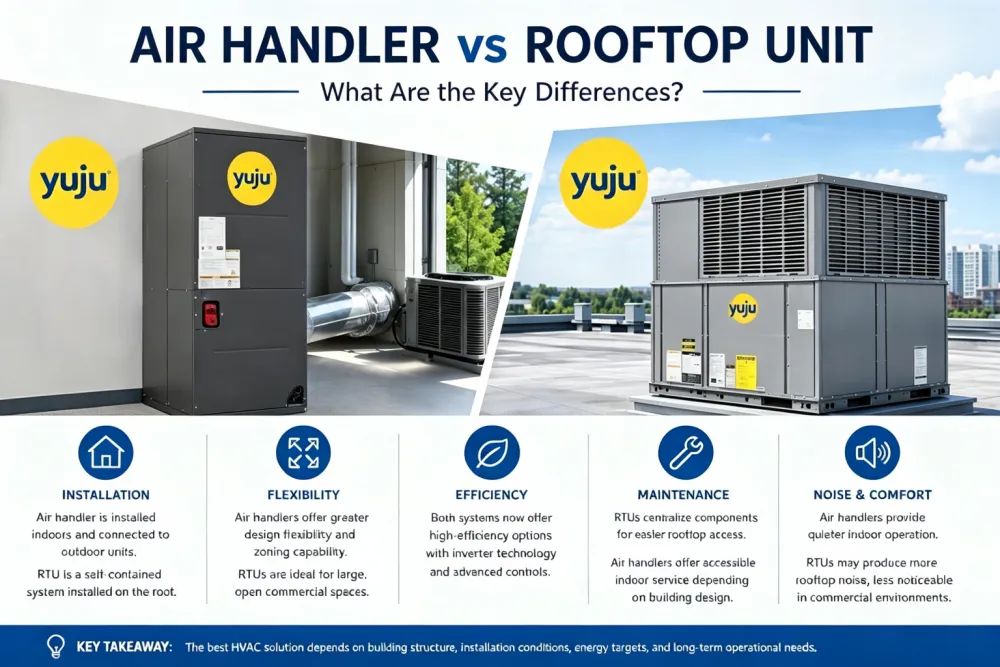
Among the most common system configurations in North America, Air Handlers and Rooftop Units (RTUs) represent two distinctly different HVAC philosophies. One is designed around precision, comfort, and energy efficiency. The other prioritizes centralized performance, durability, and large-scale climate control,choosing between an air handler and a rooftop unit (RTU) is not simply a matter of equipment preference. The decision affects installation flexibility, maintenance access, building layout, energy performance, and long-term operating costs.
Although both systems are widely used across North America, they serve different project requirements and installation environments. Understanding the key differences helps improve system matching and overall project efficiency.
Precision Comfort for Residential and Light Commercial Applications
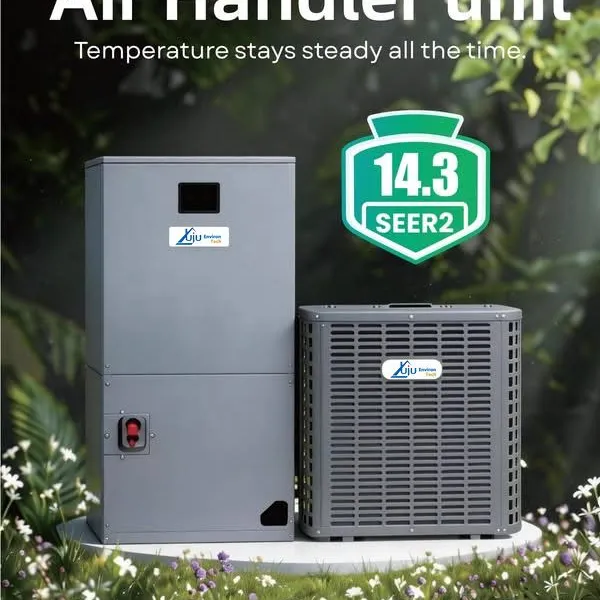
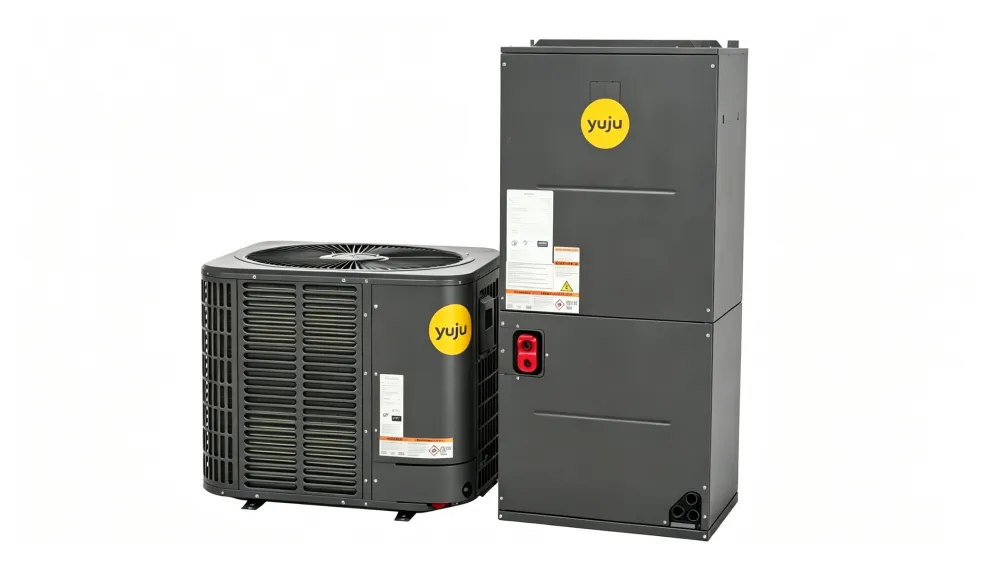
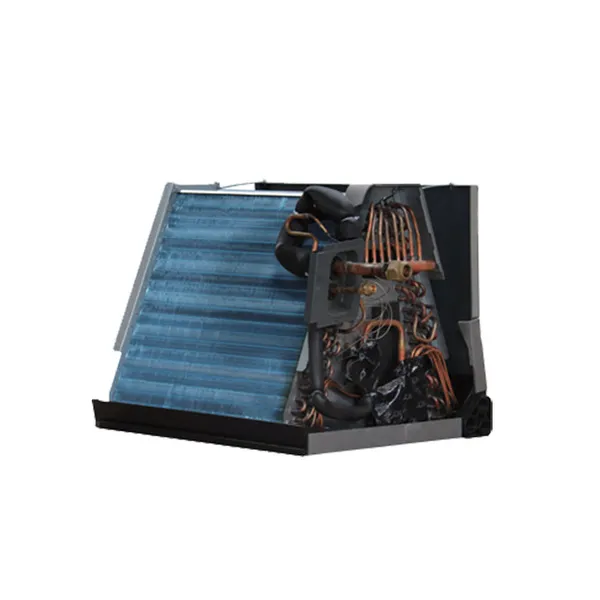
An air handler is an indoor HVAC component designed to circulate and condition air through duct systems. Unlike packaged equipment, an Air Handler works alongside a dedicated outdoor condensing unit or heat pump, allowing the indoor air distribution system to be optimized independently.
The American-style Air Handler has become one of the most widely adopted solutions in residential and light commercial HVAC systems, and customized HVAC applications where flexible indoor installation is required.
⭐️Typical features include:
Flexible static pressure options
Compatibility with heat pumps and multi-split systems
Quiet indoor operation
More accurate temperature control
asier zoning integration
More flexible refrigerant and efficiency configurations
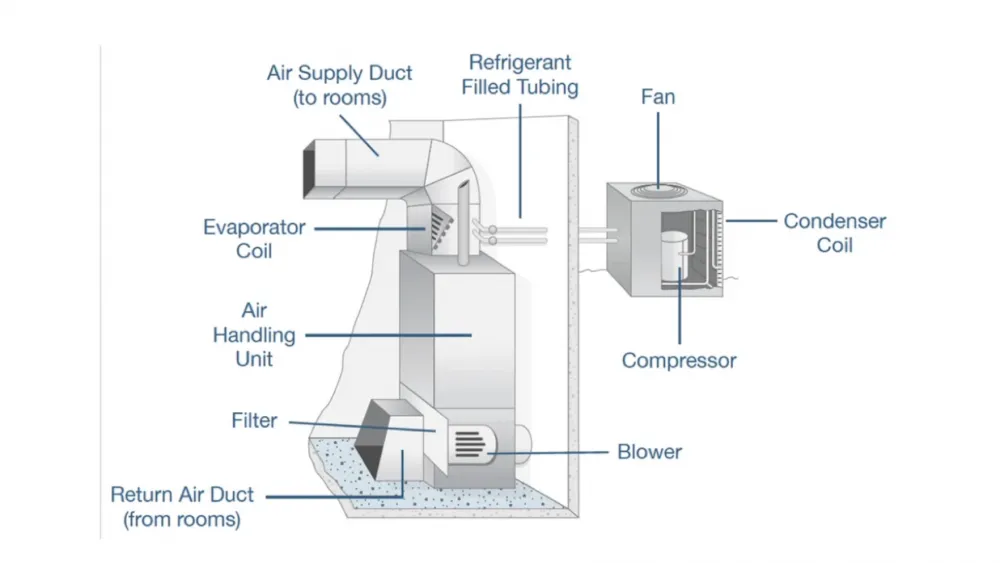
In many ways, an Air Handler can be viewed as the “precision HVAC solution.” Similar to the difference between a luxury passenger vehicle and a heavy-duty truck, the focus is not only on cooling capacity but also on refinement, comfort, and operational efficiency.
With modern inverter technology, variable-speed blowers, and high-SEER2 performance, today’s Air Handler systems provide excellent part-load efficiency while maintaining consistent indoor comfort throughout the year.
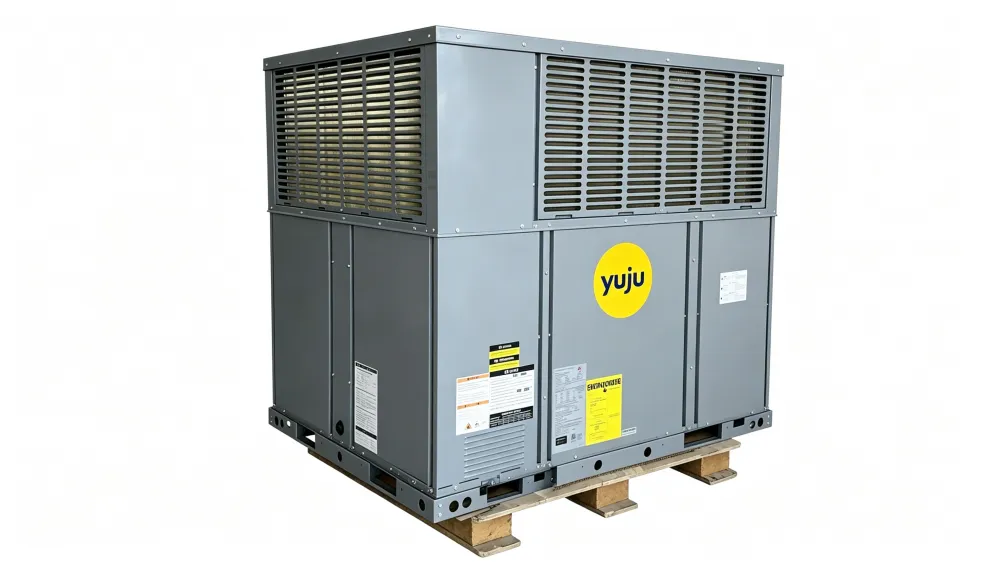
Rooftop Units follow a completely different design philosophy.
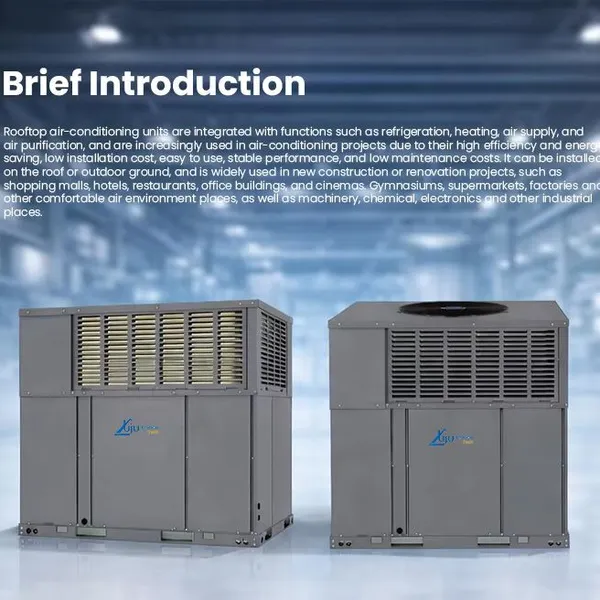
An RTU integrates cooling, heating, air handling, and controls into a single packaged system installed on the roof. This centralized approach simplifies installation and allows building owners to keep mechanical equipment outside occupied spaces.
Recently Posted
-
No Skylights, No Leaks – Sunlight Solution For Underground Cinema Room
July 9, 2026Fiber Optic Daylighting SystemThe homeowner did not want the basement to be perpetually shrouded in darkness.Originally, the basem Read More
 -
Can’t get split AC approval for historic European homes? This window unit solves all your problems
July 6, 2026Extreme heatwaves sweep Europe every year, temperatures frequently hit over 40°C, thousands of excess deaths caused by high temper Read More
 -
Must-have for Europe heatwave! No-drill inverter window AC, perfect for rental & old houses, fast co
June 30, 2026Extreme heatwaves hit Europe year after year, with temperatures soaring above 43°C in many areas. Old insulated buildings trap sti Read More
 -
YUJU Full DC Inverter Floor Standing Tower Air Conditioner – Application Scenarios & Advantages
June 29, 2026The YUJU full DC inverter floor standing tower air conditioner is a versatile high-efficiency cooling and heating unit designed fo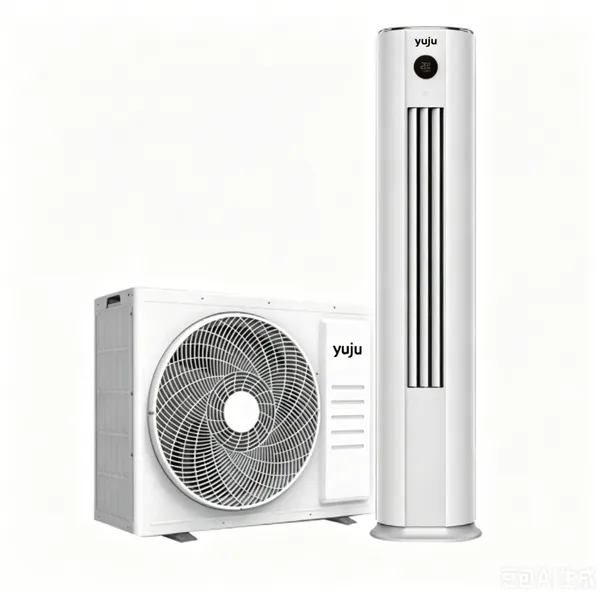 Read More

Contact Us
Recommended Products
-
 Intelligent Fiber Optic Sunlight Import SystemUS$ 2000MOQ: 1 Combo
 -
AC Without Permit EuropeNegotiableMOQ: 50 Combos
-
Must-have for Europe Heatwave! No-drill Inverter Window AC, Perfect for Rental & Old Houses, Fast Cooling Quiet & Energy SavingUS$ 227MOQ: 50 Units
-
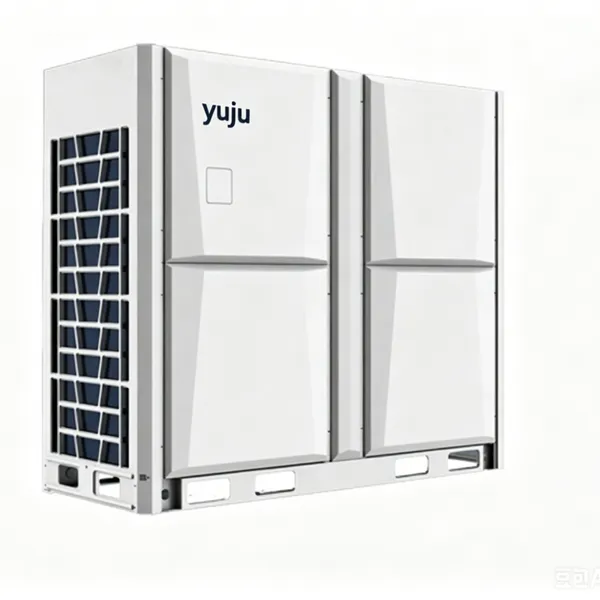
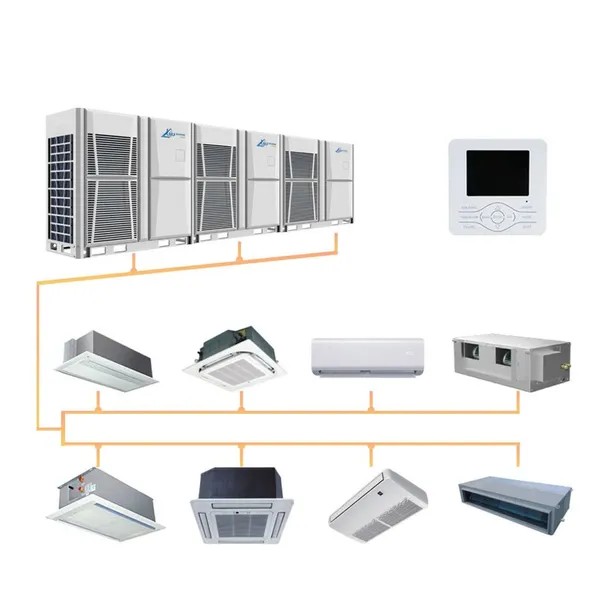
VRF Air Conditioner | Commercial VRF HVAC System Manufacturer & Wholesale Supplier 8HP~32HPNegotiableMOQ: 20 Combos
-
Floor Standing Air Conditioner 18000BTU/24000BTU/36000BTUUS$ 200 - 600MOQ: 50 Combos
-
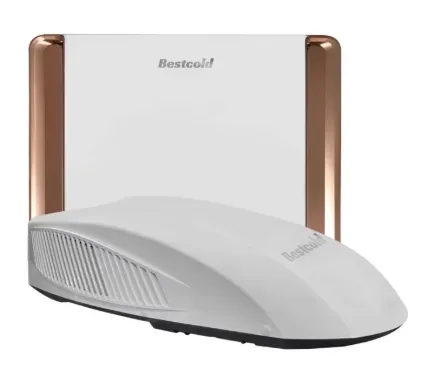
RV Air Conditioner | Rooftop RV AC Unit Manufacturer & Wholesale SupplierUS$ 300MOQ: 50 Combos
-
T3 Inverter Mini Split Air Conditioner | Wholesale Tropical AC SupplyUS$ 200MOQ: 50 Combos
-
24 SEER2 Inverter Mini Split Air Conditioner | Wholesale Ductless SystemUS$ 200MOQ: 50 Combos
-
LUUDMAN Air Handler UnitUS$ 2300 - 3500MOQ: 20 Combos
-
Window Air Conditioner LATAMUS$ 390 - 400MOQ: 1 Combo
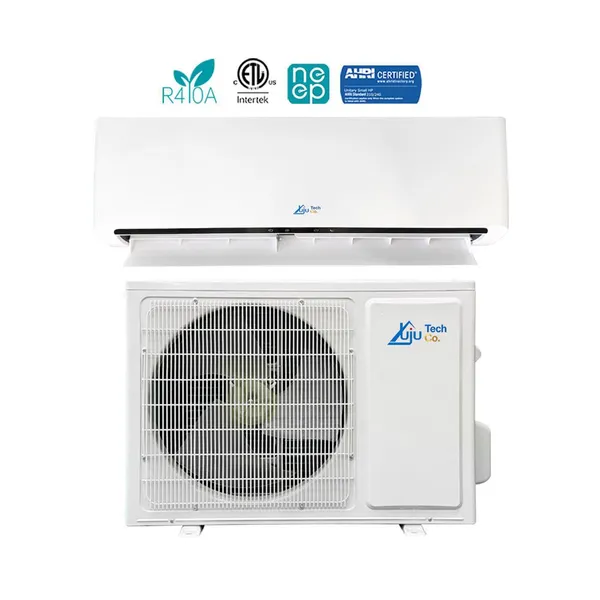
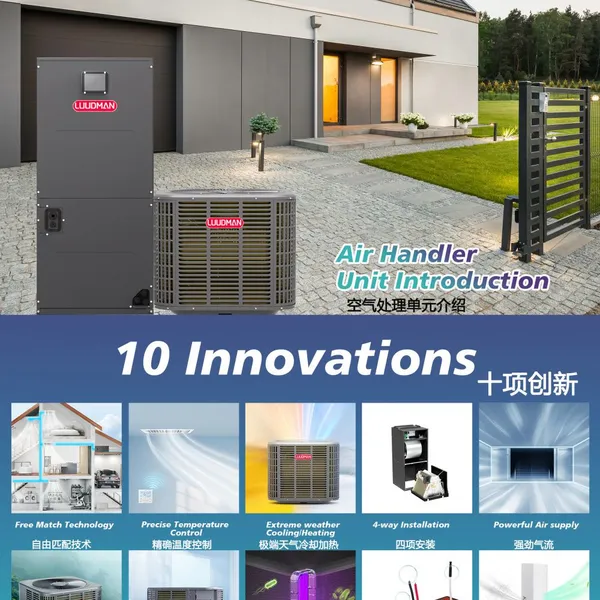

-
Inverter Rooftop Packaged Unit (RTU) | Energy Efficient Commercial HVAC System With ECM Motor & AHRI CertifiedUS$ 650 - 1100MOQ: 1 Combo
-
Top Discharge Light Commercial AC 14.3 SEER2 R454BUS$ 1850MOQ: 1 Combo
-
Carrier OEM YUJU Dc Inverter Multi Zone Air Conditioners Heating/cooling Vrf Air Conditioning for Eu Us Home Hvac SystemUS$ 2100MOQ: 1 Combo
-
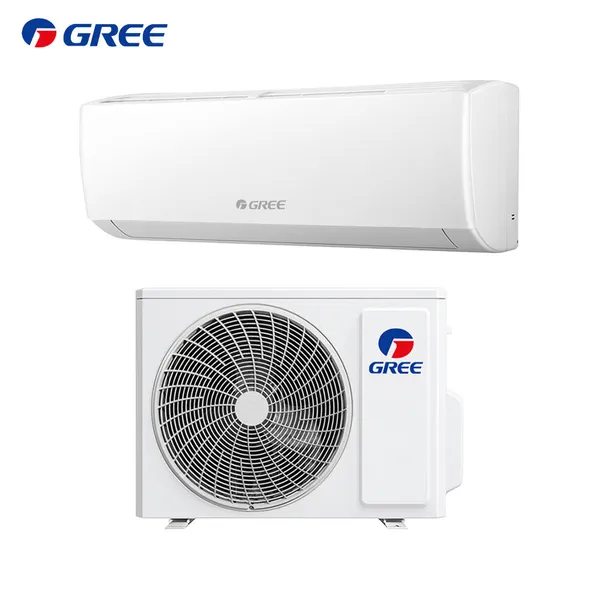
Gree High Quality Inverter Split Type Split Air Conditioner Customized OEM AC Units Cooling Heating 9000Btu-24000BtuUS$ 1000MOQ: 1 Combo
-
Gree R32 36000 BTU Inverter Ductless Mini Split AC - High Efficiency T3 Compressor for Hot Climate (Ideal for Philippines & Africa Projects)US$ 230MOQ: 1 Combo
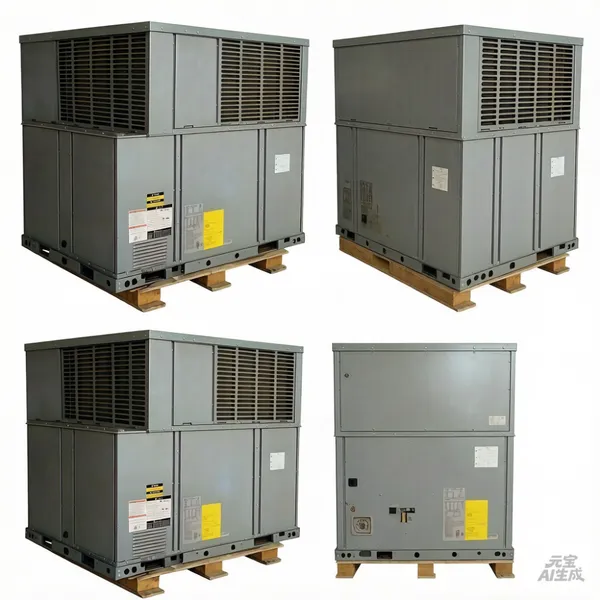
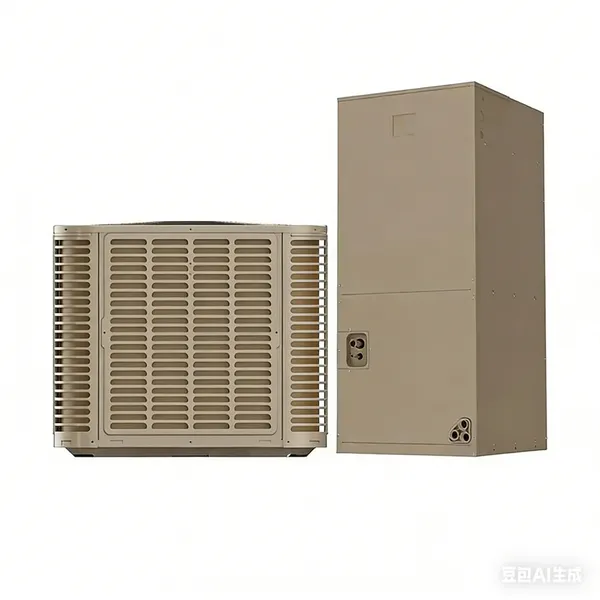
-
PTAC Air Conditioner for Hotel RoomsUS$ 390MOQ: 1 Combo
-
18 SEER High-Efficiency Air Handler Unit | 18k-60k BTU Cooling & Heating | Flexible 5kW-20kW Electric Heater OptionsUS$ 790 - 1200MOQ: 1 Set
-
Yuju Commercial AC HVAC Package Units Rooftop Air Conditioner R454B Inverter Air Conditioning System With Heat PumpUS$ 2800MOQ: 1 Unit
-
Yuju Full DC Inverter Mini Split Air Conditioner 9000-24000 BTU Wall Mounted Cooling System for Residential & Commercial UseUS$ 135MOQ: 1 Combo
-
Inverter Central Air Conditioning Outdoor Unit Cassette/duct/wall Mount Fan Coil 10-28kw R32/r410a Air Conditioner VrfUS$ 2000MOQ: 1 Combo